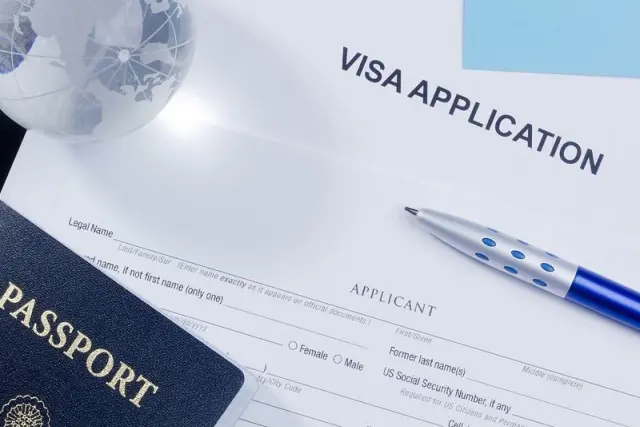
In the online form DS-160, you must indicate in the security questions whether you have ever been arrested or convicted of a criminal offense. The US authorities require complete and truthful information.
If you answer "Yes" to questions about criminal offenses, an additional field will appear in the DS-160 in which you must briefly explain the situation (in English). The decisive factor is not whether there is a conviction on the criminal record, but whether there has ever been a conviction - deleted entries must also be entered. False information can lead to a long-term entry ban for fraud.
If you have a criminal record, be prepared for questions during the visa interview and bring all relevant documents (court judgments, etc.) with you. A current certificate of good conduct can also be helpful.
A criminal record does not necessarily lead to the rejection of the tourist visa, but usually delays the process. US consular officers have 3 options, depending on the severity of the offense:
- The tourist visa is granted despite the criminal record.
- The tourist visa is rejected immediately.
- Your tourist visa application will be subject to a further advisory opinion to determine whether the offense is considered morally reprehensible (Crimes Involving Moral Turpitude, CIMT). This depends on the severity and number of offenses, the sentence and other factors (e.g. age at the time of the offense). Serious offenses such as fraud, theft or violent crimes often fall under this category.
Although serious criminal convictions reduce the chances of obtaining a tourist visa, US consular officials decide on a case-by-case basis. Tourist visas are generally subject to less stringent guidelines as long as there is no threat to the public safety of the United States and no suspected intent to immigrate.